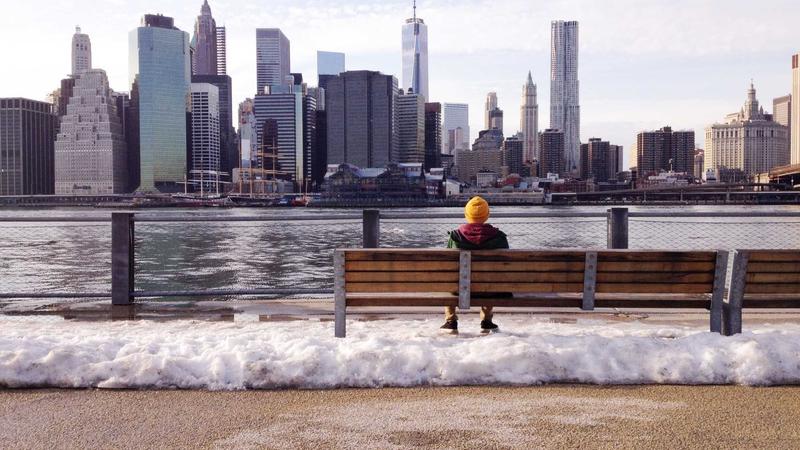
The Complete Solo Travel Guide for Beginners
Solo travel is one of the most transformative experiences you can give yourself. The idea of exploring a new destination entirely on your own terms, making decisions based purely on your own interests, and stepping completely outside your comfort zone is both exhilarating and terrifying in equal measure. For beginners, the prospect of traveling alone can feel overwhelming. Questions about safety, loneliness, logistics, and budget swirl in your mind. The good news is that millions of people travel solo every year, and most of them will tell you it was the best decision they ever made. This comprehensive guide will walk you through everything you need to know to plan and enjoy your first solo adventure with confidence.
Why Travel Solo?
The benefits of solo travel extend far beyond the trip itself. When you travel alone, you gain complete freedom over your itinerary. Want to spend an entire afternoon sitting in a cafe watching the world go by? Go for it. Feel like changing your plans last minute because you heard about a beautiful hike? No one to consult but yourself. Solo travel builds independence and self-reliance in ways that group travel simply cannot match. You will learn to navigate unfamiliar situations, communicate across language barriers, and solve problems on the fly. Many solo travelers report returning home with dramatically increased confidence and a renewed perspective on their lives. You also meet more people when traveling alone because you are more approachable and more likely to strike up conversations with fellow travelers and locals. The solitude also creates space for genuine self-reflection, allowing you to reconnect with yourself away from the noise of daily life.
Best Destinations for First-Time Solo Travelers
| Destination | Why It Is Great for Solo Travel | Safety Rating | Solo Friendliness |
|---|---|---|---|
| Portugal | Friendly locals, English widely spoken, excellent hostels | Very High | Excellent |
| Japan | Extremely safe, efficient public transport, solo dining culture | Very High | Excellent |
| New Zealand | Outdoor activities, backpacker culture, easy to navigate | High | Very Good |
| Thailand | Well-trodden backpacker trail, affordable, many solo travelers | Moderate-High | Excellent |
| Ireland | Warm hospitality, pub culture, stunning landscapes | Very High | Very Good |
| Costa Rica | Nature-focused, eco-lodges, great for outdoor soloists | High | Good |
| Netherlands | Bike-friendly, English fluent, museums and culture | Very High | Very Good |
| Vietnam | Budget-friendly, foodie paradise, easy to join group tours | Moderate-High | Very Good |
Essential Safety Tips for Solo Travelers
Safety is the number one concern for most first-time solo travelers, and taking sensible precautions will allow you to relax and enjoy your trip. Before you go, share your itinerary with someone back home including flight details, accommodation addresses, and planned activities. Register with your country's embassy or consulate if you are visiting a region with known risks. Download offline maps of your destination and save screenshots of your accommodation address in the local language. While traveling, trust your instincts above all else. If a situation or person feels wrong, remove yourself immediately. Avoid walking alone late at night in unfamiliar areas, and be mindful of your alcohol consumption. Keep your valuables secure using a money belt or hidden pouch, and carry only what you need for the day. Share your live location with a trusted contact using apps like Google Maps or WhatsApp. Stay in well-reviewed accommodation in safe neighborhoods, even if it costs slightly more. Choose accommodation with 24-hour reception and good security. Make a habit of checking in with someone daily, even if it is just a quick message saying you are fine. Carry a portable door lock or doorstop for extra peace of mind in your room.
Accommodation Choices for Solo Travelers
Where you stay has a huge impact on your solo travel experience. Hostels are the classic choice for solo travelers, and for good reason. They are affordable, social, and often organize events like walking tours, pub crawls, and family dinners that make it easy to meet people. Look for hostels with high social ratings on Hostelworld and Booking.com. Private rooms in hostels offer the best of both worlds, giving you a space to retreat to while still having access to common areas and social activities. Guesthouses and B&Bs are excellent for solo travelers who prefer quieter accommodation with local character. Couchsurfing remains a popular option for budget-conscious solo travelers who want to connect with locals, though it requires careful vetting of hosts. For those who need more privacy, budget hotels and Airbnb apartments offer solitude and comfort, though they make it harder to meet other travelers. Many solo travelers combine different types of accommodation during their trip, staying in hostels for social periods and private rooms when they need to recharge.
Overcoming Loneliness on the Road
Even the most enthusiastic solo travelers experience moments of loneliness, and that is completely normal. The key is to have strategies ready for when those feelings arise. Join free walking tours on your first day in a new city. They are excellent for getting oriented and meeting other travelers instantly. Stay at social hostels and make an effort to hang out in common areas rather than your room. Use apps like Meetup, Couchsurfing Hangouts, and Facebook groups to find local events and meetups. Take group activities like cooking classes, diving courses, or day tours where you will be surrounded by other travelers. Strike up conversations with people at cafes, on trains, and at attractions. Remember that most people are open to talking, especially other travelers. Plan video calls with friends and family back home to maintain your support network. And importantly, give yourself permission to enjoy your own company. Bring a good book, journal about your experiences, and savor the freedom of doing exactly what you want. Solo travel teaches you that being alone and being lonely are two very different things.
Comments
Leave a Comment